The reporting surfaces in headlines and editorial feeds but, in the version available to us, stops short of naming parties, terms, or therapeutic focus — a gap worth flagging for any reader treating the headline as a fully verified event. What the framing itself signals, however, is the more durable story: imaging-adjacent capital is moving toward integrated brain medicine platforms, and that movement is now being echoed at the level of national policy.
A market consolidating around integration
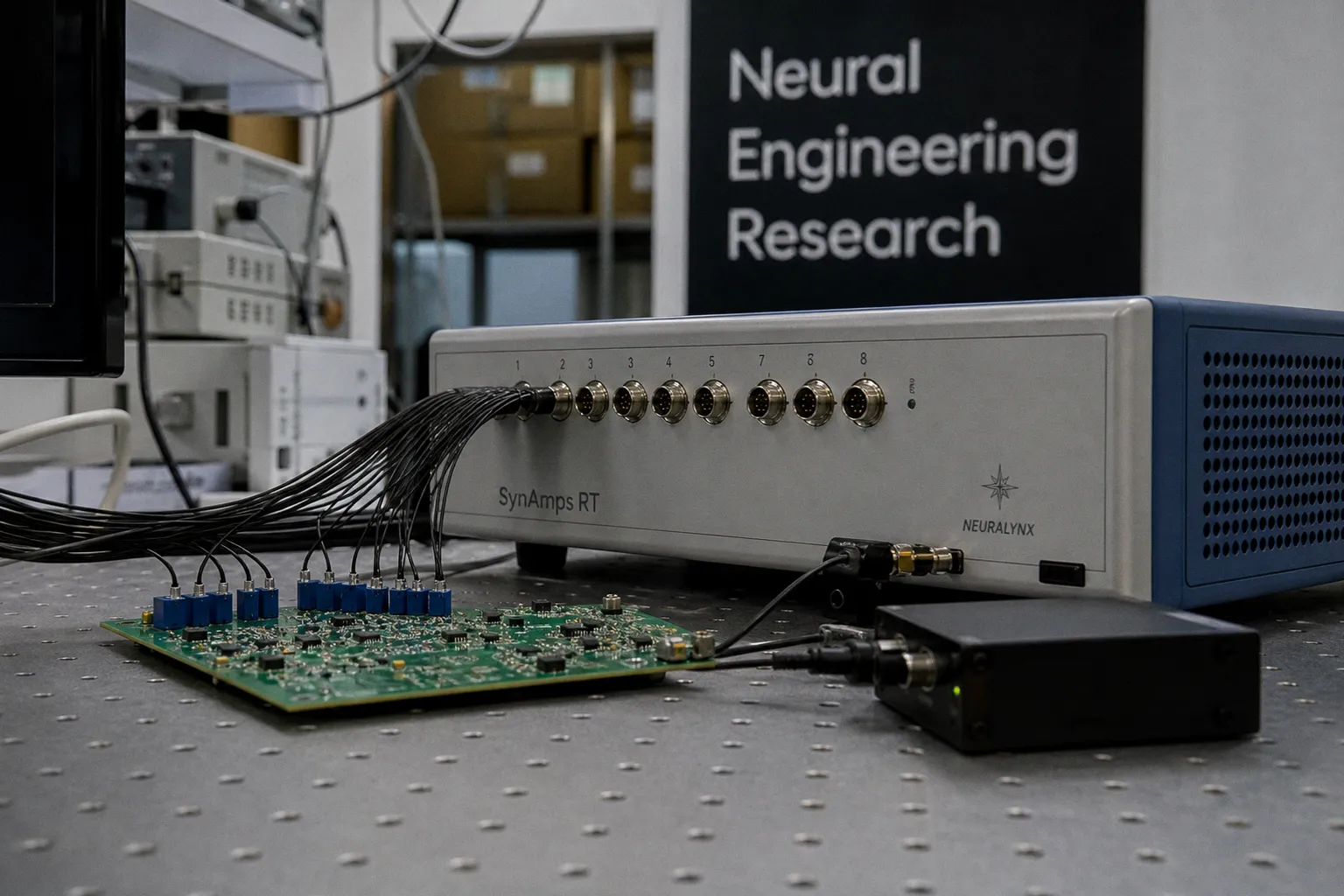
That same trajectory is already visible in parallel initiatives abroad. Coverage out of Seoul describes Ybrain — a company working at the junction of electronic medicine and brain-computer interface research — co-hosting the launch of the BCI Alliance at The Plaza Hotel on August 26. The gathering was convened by the Ministry of Science and ICT alongside the National Research Foundation of Korea, the Korea Brain Research Institute, Ybrain, and the Korea BCI Association, with the stated aim of building a continuous cooperation system across research institutions, universities, hospitals, and industry partners. Organizers framed the alliance around three pillars — research and development, commercialization, and infrastructure — a structure explicitly designed to keep source technologies from stalling before they reach clinical trials and, ultimately, patients.
What this means for translational practice
For radiologists, medical software developers, and translational neuroscientists, the throughline is convergence. Whether one reads the Forbes framing as a deal announcement or as market commentary, and whether one reads the Seoul launch as a policy milestone or a coordination effort, both stories point to the same underlying reorganization: brain medicine is being assembled into end-to-end pipelines rather than the loose consortiums of device makers, analytics vendors, and clinical sites that characterized the previous decade. Consider the implications for anyone evaluating a vendor stack or designing a multicenter imaging protocol — the entities shaping tomorrow's acquisition sequences are increasingly those that can carry a signal from scanner to bedside application without losing fidelity along the way.
This shift allows us to trace a single biomarker through a coherent pipeline rather than a chain of disconnected handoffs, and it raises a question worth holding onto: as the field consolidates, which integrated platforms will preserve the longitudinal data integrity and clinical grounding that translational research depends on? For now, the answer is not in the headlines — it is in the protocols those platforms will be asked to support, and in whether imaging software can remain interoperable as the ownership map around it is redrawn.