The figure is a market outlook, not a validated performance metric for any individual workstation, reconstruction engine, or clinical algorithm. For MRI and neuroimaging teams, the relevant signal is narrower: software around image interpretation is being treated as a distinct market layer, but the evidence supplied does not establish which technical capabilities are driving that forecast.
The number is directional, not diagnostic
The reported 15.2% CAGR appears in the title of the market-research item. No methodology, baseline market size, segmentation logic, geography, or vendor ranking is provided in the available material. That constrains what can be inferred.
A growth forecast cannot tell a radiology department whether a display pipeline preserves subtle contrast, whether post-processing remains stable across sequences, or whether an analysis package integrates cleanly with existing PACS and workstation infrastructure. It says only that the market study expects strong expansion in the combined area of medical imaging displays and post-processing software through 2030.
That distinction matters. Display hardware, visualization software, quantitative analysis, reconstruction, and AI inference are often discussed as one commercial category while operating as separate technical stages. Their failure modes are not interchangeable. A display can constrain perceived contrast. A post-processing module can alter the representation of the data. An AI package can introduce a separate inference layer. A market CAGR does not measure any of those effects.
Edge inference is the more concrete development
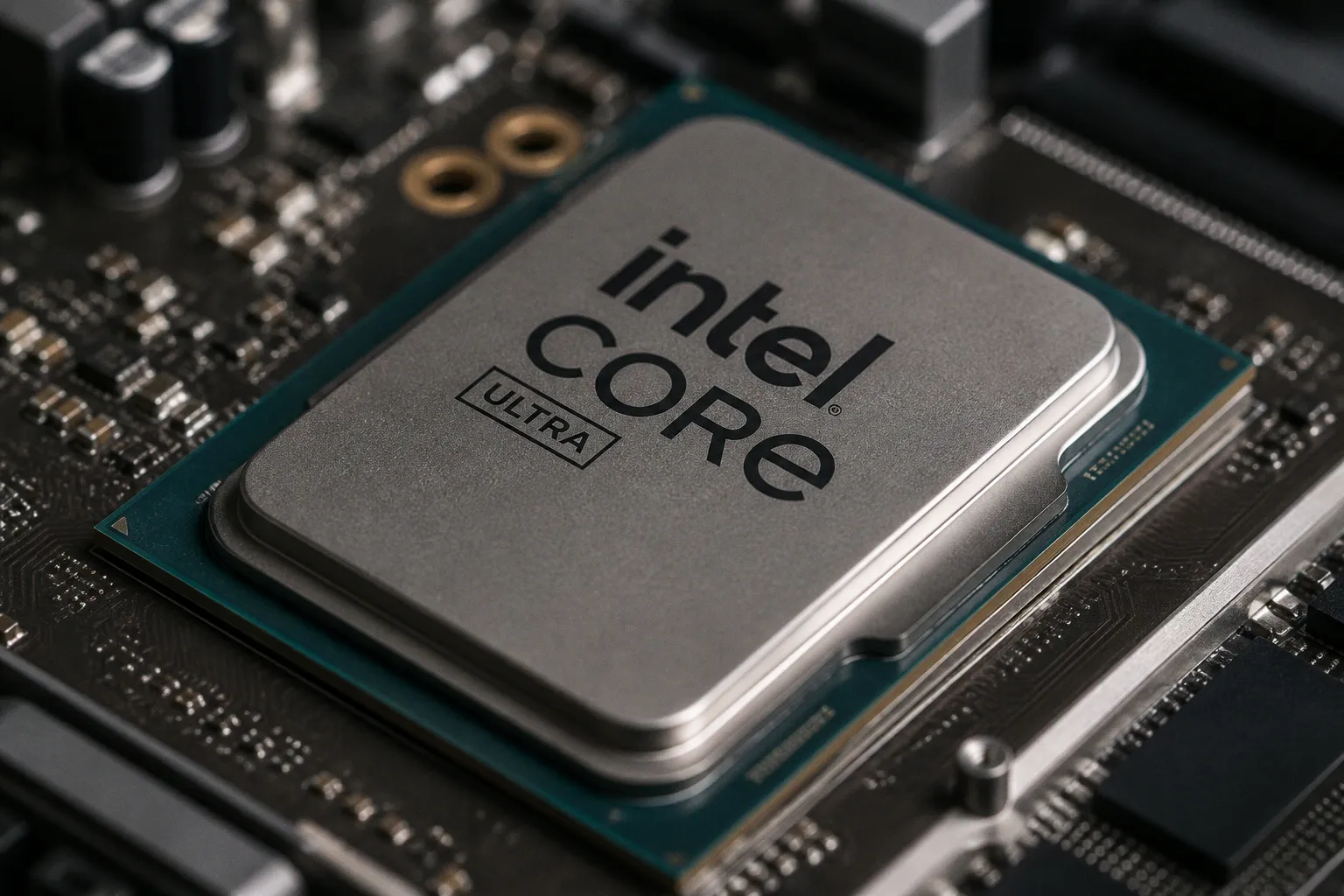
The available reporting contains one specific implementation detail. The Globe and Mail reported that Nano-X Imaging’s subsidiary, Nanox AI, optimized its medical imaging AI application framework for Intel Core Ultra processors using Intel’s OpenVINO toolkit.
The framework is designed for deployment of CT imaging AI applications on on-premise edge devices. The reported objective is to keep imaging data within the healthcare facility’s own infrastructure. The source states that the framework ran inference on Intel Core Ultra-class hardware with OpenVINO.
Nanox AI’s applications analyze routine CT scans for findings correlated with chronic conditions involving cardiac, liver, and bone health, according to the report. The company said local edge inference can reduce dependence on cloud connectivity and support deployment within existing hospital infrastructure.
This is not evidence of improved diagnostic accuracy. It is evidence of a deployment architecture: inference executed closer to the point of care, on local hardware, rather than relying exclusively on remote processing. For imaging software teams, that shifts the engineering questions toward processor support, runtime compatibility, data governance, and operational integration. The available report does not provide latency figures, sensitivity, specificity, validation cohorts, or comparisons with cloud execution.
What the outlook does—and does not—change
The market forecast places displays and post-processing software inside a growth narrative that also includes medical imaging more broadly. A separate EIN News item reports that a medical imaging market study examines industry growth toward $63.13 billion. The material does not establish whether that figure uses the same market definition as the 15.2% forecast, so the numbers should not be combined.
For MRI practitioners and developers, the practical consequence is limited but clear. A larger software market does not remove the need to audit the processing chain. It increases the importance of asking where the algorithm runs, what data it consumes, how results are displayed, and which parts of the workflow are actually supported by evidence.
The current evidence supports a market signal and one concrete edge-AI implementation. It does not support claims about clinical superiority, diagnostic benefit, or the technical quality of the forecast. Until methodology and validation details are available, the 15.2% figure should be treated as a commercial indicator—not as a measurement of imaging performance.