OptiPlax is a dietary food supplement manufactured in capsule form that is primarily aimed at individuals looking to support their eyesight as they age. According to the manufacturer, this product is designed as a breakthrough solution to help maintain sharper and clearer vision well into old age. It is important to note that this is a food supplement and not a medical treatment for any eye conditions.
Strengths
- Contains widely recognized antioxidant ingredients like Astaxanthin and various marine algae.
- The convenient capsule form makes it easy to integrate into a daily routine.
Weaknesses
- Specific ingredient amounts and dosages are not disclosed by the manufacturer.
- Efficacy claims come entirely from the manufacturer, with no independent studies provided for this specific product formula.
- At 79 USD, it represents a significant financial investment for a dietary supplement.
- Sold online without clear information on third-party laboratory testing or certifications.
«According to the manufacturer, the capsules support the natural cleansing processes of the eye.» — Manufacturer statement
Our assessment
The claims surrounding OptiPlax are notably ambitious. The manufacturer positions the product as a "breakthrough solution" that supports the natural cleansing processes of the eye to maintain sharp vision at any age. From an editorial standpoint, consumers should approach such sweeping statements with a degree of caution. While the concept of nourishing the eye is valid in nutritional science, no dietary supplement can guarantee clear vision or reverse age-related ocular decline. Efficacy claims for OptiPlax come solely from the manufacturer, and there are no independent clinical studies provided to confirm that this specific formulation achieves the promised results.
The composition of OptiPlax relies heavily on marine-derived ingredients, including Kelp, Wakame, Chlorella, Ecklonia Cava, and the carotenoid Astaxanthin. These substances are genuinely discussed in scientific literature for their rich antioxidant profiles. Astaxanthin, in particular, is frequently studied for its ability to cross the blood-retinal barrier and combat oxidative stress in the eyes. However, because the exact ingredient amounts in OptiPlax are not disclosed, it is impossible to determine if these substances are present in doses large enough to replicate the benefits observed in clinical research. The general antioxidant properties of these algae and carotenoids are well-established, but they do not constitute a medical treatment.
Ultimately, it is crucial to remember that OptiPlax is a food supplement, not a medicine. It cannot replace professional ophthalmological care, prescription eyewear, or medical treatments for conditions such as cataracts, glaucoma, or macular degeneration. Individuals experiencing vision changes should prioritize a comprehensive eye examination by a licensed specialist. Supplements like OptiPlax may serve as an adjunct to a healthy lifestyle and a balanced diet, but they should never be viewed as a substitute for professional medical advice or standard ocular therapies.

How to use it
Because the specific dosage and daily intake instructions are not disclosed in the provided manufacturer information, users must follow the manufacturer's package insert. As OptiPlax comes in capsule form, it is typically taken with a glass of water, but exact quantities and timing should be verified on the physical product label before use.
Background: understanding Eyesight
Human eyesight is a complex physiological process that relies on the seamless coordination of multiple structures within the eye, including the cornea, lens, retina, and optic nerve. Light enters the eye and is focused onto the retina, a light-sensitive layer of tissue at the back of the eye. The macula, a small area near the center of the retina, is responsible for sharp, detailed central vision. Maintaining the health of these tissues is highly dependent on a robust vascular system that delivers oxygen and essential nutrients while removing metabolic waste. As the eyes are constantly exposed to light and environmental stressors, they are particularly susceptible to oxidative stress, which can damage cellular structures over time.
Several factors influence the long-term health of our eyesight. Genetics play a significant role in determining susceptibility to conditions like myopia, hyperopia, and age-related macular degeneration. However, lifestyle and environmental factors are equally critical. Chronic exposure to ultraviolet (UV) radiation from the sun, prolonged screen time leading to digital eye strain, and poor dietary habits can all negatively impact ocular health. Conversely, a balanced diet rich in specific vitamins, minerals, and antioxidants—such as vitamins C and E, zinc, lutein, and zeaxanthin—is widely recognized by health professionals as beneficial for maintaining the structural integrity of the eye and mitigating oxidative damage.
As the body ages, natural physiological changes inevitably affect vision. The lens of the eye becomes less flexible, leading to presbyopia (difficulty focusing on close objects), and the risk of developing cataracts or glaucoma increases. Regular comprehensive eye examinations by an optometrist or ophthalmologist are the most effective way to monitor ocular health, as many eye diseases develop gradually without early symptoms. While nutritional support and healthy lifestyle choices can contribute to overall eye wellness, they are part of a broader spectrum of care that includes UV protection, adequate rest, and timely medical intervention when necessary.
Who is this product for?
Worth a look for
- Adults looking to add marine-based antioxidants to their daily nutritional intake.
- Individuals interested in general, non-medical dietary support for their overall wellness routine.
- Consumers who prefer their dietary supplements in a convenient capsule form.
Rather not suited for
- Anyone experiencing sudden vision changes, pain, or diagnosed eye diseases.
- Consumers who require full disclosure of ingredient dosages before purchasing a supplement.
- Individuals seeking a medical cure or a replacement for prescription eyewear.
Reviews: what to look out for
When reading user reviews for dietary supplements aimed at supporting eyesight, consumers should maintain a healthy level of skepticism. Online testimonials can be highly subjective and are often influenced by the placebo effect. Because vision changes naturally fluctuate based on factors like fatigue, hydration, and lighting, a user might attribute a temporary improvement in visual comfort to the supplement rather than these external variables. Furthermore, genuine nutritional support for cellular health typically takes weeks or months to manifest, meaning reviews claiming overnight miracles, the sudden disappearance of floaters, or dramatic restorations of lost vision should be viewed as highly unrealistic and potentially fabricated.
Readers should instead look for reviews that focus on objective product aspects, such as the ease of swallowing the capsules, the presence of any aftertaste, the quality of the packaging, or the reliability of the shipping process. It is important to remember that individual biological responses to food supplements vary widely. What one user perceives as a beneficial addition to their wellness routine may yield no noticeable effects for another. Always prioritize professional medical advice over anecdotal experiences found on the internet when it comes to preserving your eye health, and never alter a prescribed medical routine based on a product review.
Editorial verdict
OptiPlax may be worth a look for adults who are proactively seeking to supplement their diet with marine-based antioxidants like Astaxanthin and various algae, provided they have realistic expectations about what a dietary supplement can achieve. It is aimed at those willing to spend 79 USD on a nutritional product to complement their general wellness routine. Conversely, this product is not suitable for individuals suffering from diagnosed medical eye conditions, those experiencing sudden vision loss, or anyone seeking a replacement for prescription glasses or professional medical treatments. Consumers who require full transparency regarding ingredient dosages before making a purchase should also look elsewhere, as the exact quantities in this formula are not disclosed.
- Kelp
- Wakame
- Astaxanthin
- Chlorella
- Ecklonia Cava
- KelpKelp is a type of large brown seaweed that is generally known to be a rich natural source of iodine and various antioxidants. In dietary contexts, it is often discussed for its potential to support general metabolic health and combat oxidative stress.
- WakameWakame is an edible seaweed containing vitamins, minerals, and fucoxanthin. It is generally researched for its antioxidant properties and its potential role in supporting overall cellular health.
- AstaxanthinAstaxanthin is a naturally occurring carotenoid pigment found in certain microalgae and seafood, widely recognized for its strong antioxidant capabilities. It is commonly studied in the context of eye health for its ability to cross the blood-retinal barrier
- ChlorellaChlorella is a freshwater green microalga that is known for its dense nutritional profile, including vitamins, minerals, and lutein. It is often utilized in supplements for its general detoxifying properties and potential to support overall wellness.
- Ecklonia CavaEcklonia Cava is a species of brown algae found in the ocean that is rich in unique polyphenols called phlorotannins. These compounds are generally investigated for their potent antioxidant effects and potential to support healthy blood flow.
How does OptiPlax work?
OptiPlax contains a carefully crafted blend of nutrients that support the natural cleansing processes of the eye. Over time, "plaque" can accumulate in the delicate tissues responsible for clear vision, leading to blurriness, straining, and visual decline. Our formula is designed to help nourish and protect these areas to support sharper and clearer eyesight at any age.
What is your money-back guarantee?
Our money-back guarantee is a risk-free option we are offering you because we believe in this formula so much. It means you can try OptiPlax for a full 60 days. And if you are not completely convinced by the amazing results, then you simply get your money back. All you have to do for a full refund is send us ALL the bottles, whether they are empty or not, and the packing slip.
How many bottles should I order?
Most of our clients order six bottles at a time, and many double their orders because they want to enjoy the benefits of this amazing formula for as long as possible. It is a smart choice because those who buy the 6-bottle pack get a massive discount, free shipping, and 3 free online guides. That's a lot of value and savings, especially since our clients usually want to reorder once they start seeing results.
How do I use OptiPlax?
We recommend you take one capsule daily. For best results, take with 6-8 oz of water or any liquid of your choice.
Is this a one-off purchase?
Yes, your order is a one-off purchase with no hidden autoship, clauses, or charges. The price you see on the checkout page is the only price you pay.
What are the ingredients in OptiPlax?
Every single capsule of OptiPlax contains a proprietary formula of scientifically proven, extra-strong ingredients, carefully combined to support healthy vision and focus.
🛒Where can you buy OptiPlax?
You can order OptiPlax online only directly from the manufacturer via the official vendor page — that is the only way the current price and the original guarantee apply.
The product is usually not stocked in local pharmacies or drugstores; check the current price and availability with the vendor.
 Check availability
More products
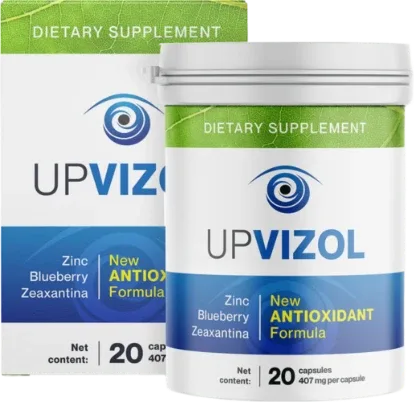 UpVizolEyesight · USD49
 NovuBurnDiet - Weight Loss · USD79
 TrimorynMemory · Check the price
Food supplements are not a substitute for a balanced diet or medical advice. If you have health concerns, please consult a doctor.
All products in «Wellness Shop»
Advertising/affiliate notice: this article contains a partner link. We may earn a commission on purchases made through it.