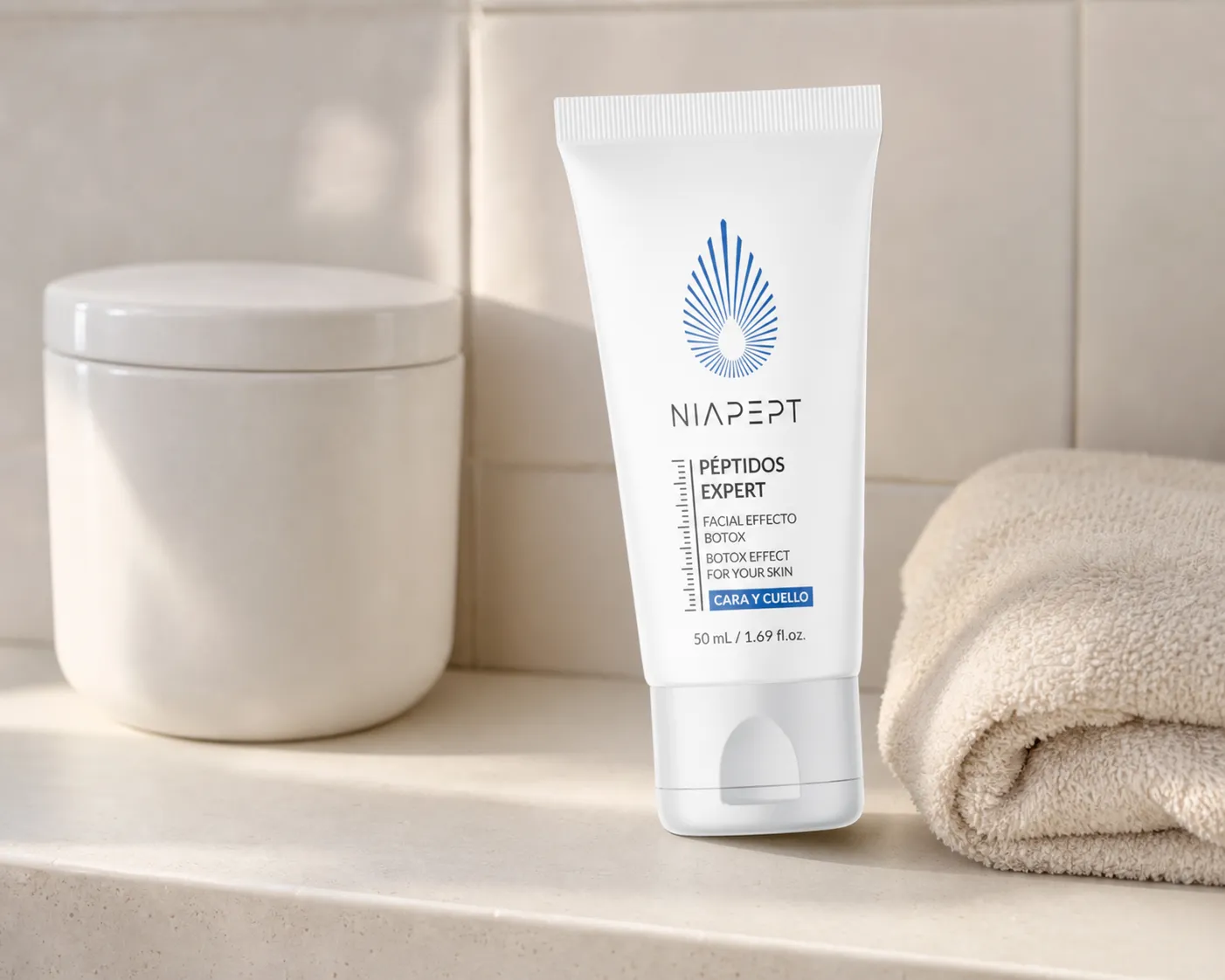
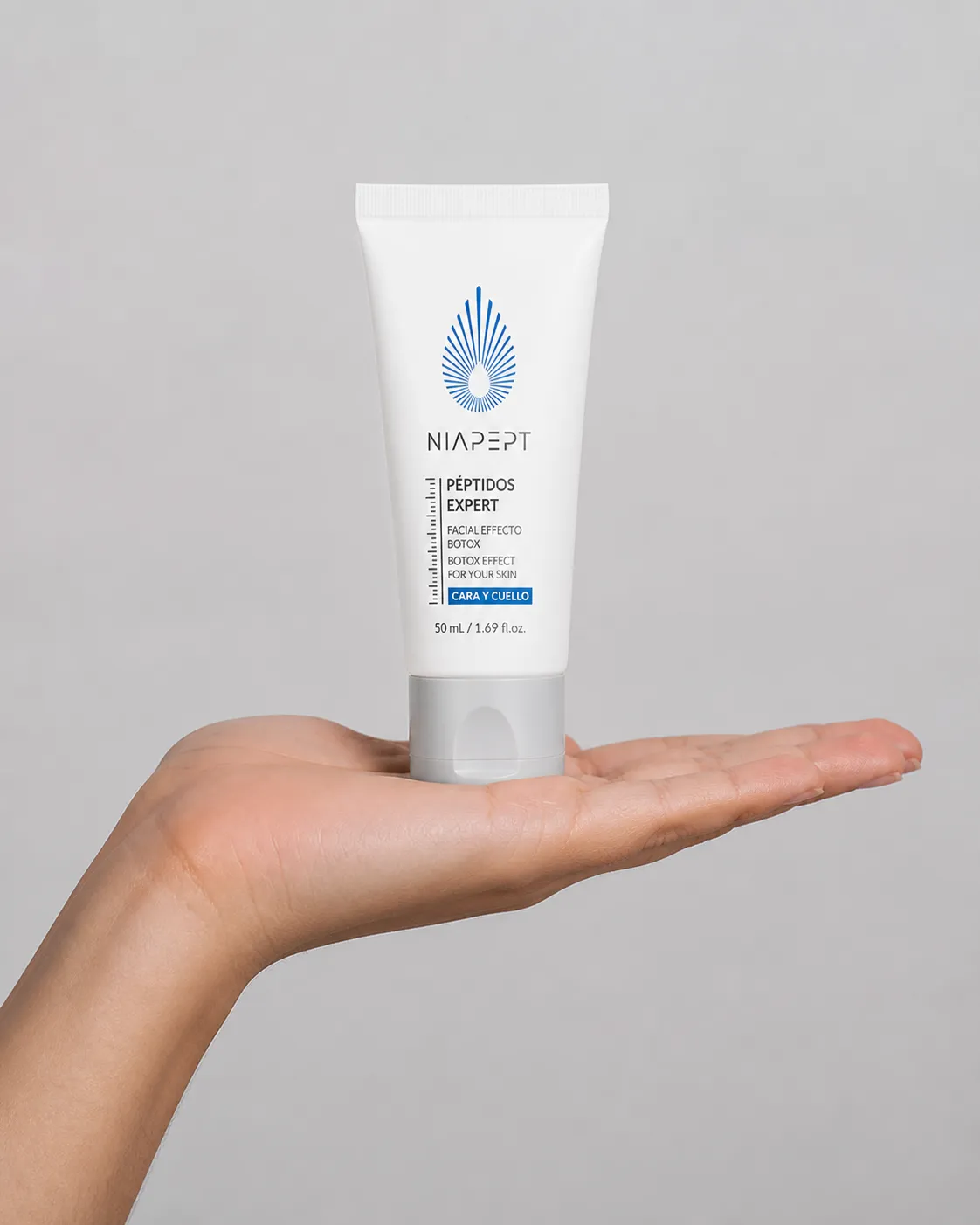
Niapept is an anti-aging cosmetic product formulated as a topical cream. It is aimed at individuals looking to address visible signs of skin aging, such as wrinkles and loss of firmness. According to the manufacturer, the product is designed for those seeking a topical alternative to invasive cosmetic procedures.
Strengths
- Contains widely recognized cosmetic ingredients like hyaluronic acid and niacinamide.
- Provides a non-invasive topical alternative to injectable cosmetic procedures.
- Clear upfront pricing of 49 USD without hidden subscription models mentioned.
Weaknesses
- The exact concentrations and amounts of the active ingredients are not disclosed.
- Efficacy claims, especially the comparison to Botox, come solely from the manufacturer.
- There are no independent clinical studies provided specifically for this product.
- Sold online through the vendor only, limiting the ability to test the cream before purchasing.
«According to the manufacturer, the cream acts as a muscle relaxant with an effect similar to Botox.» — Manufacturer statement
Our assessment
Niapept positions itself in the highly competitive market of anti-aging cosmetics with a bold headline asking why a face might look younger at 55 than at 38. The manufacturer claims that the cream acts as a muscle relaxant similar to Botox to reduce wrinkles and improve firmness. While the appeal of a topical alternative to injections is understandable, consumers should approach such comparisons with realistic expectations. Topical creams, regardless of their formulation, penetrate the skin differently than injected neurotoxins and typically offer more subtle, temporary improvements rather than dramatic muscle paralysis. It is important to remember that a food supplement is not a medicine, and similarly, a cosmetic cream cannot cure underlying dermatological conditions or reverse the biological aging process.
The ingredients listed for Niapept are indeed well-established in the skincare industry. Argireline is frequently discussed in dermatological literature for its peptide-based approach to targeting expression lines, while niacinamide and hyaluronic acid are highly regarded for their barrier-supporting and hydrating properties. However, because the exact concentrations of these ingredients in Niapept are not disclosed, it is impossible to independently verify if they are present in sufficient quantities to replicate the results seen in clinical trials of those individual compounds. The efficacy of any cosmetic cream heavily relies on its overall formulation, stability, and delivery system, none of which are detailed in the available facts.
Ultimately, Niapept cannot replace a comprehensive skincare routine that includes daily sun protection, a balanced diet, and healthy lifestyle choices. It also cannot substitute for professional dermatological advice or medical-grade procedures for those seeking profound structural changes to their skin. Consumers should view this product as a potential addition to their cosmetic regimen rather than a miraculous fountain of youth, keeping in mind that all claims of wrinkle reduction and improved elasticity come directly from the manufacturer without independent verification for this specific cream.
How to use it
The exact application instructions, frequency of use, and recommended amount for this cream are not disclosed in the provided information. Because the optimal routine for topical cosmetics can vary based on the formulation's strength and the user's skin type, consumers must follow the manufacturer's package insert for proper application guidelines. Adhering to these instructions is essential to ensure safe and appropriate use, and to minimize the risk of potential skin irritation.
Background: understanding Anti-aging cosmetics
The category of anti-aging cosmetics encompasses a wide array of topical products designed to mitigate the visible signs of skin aging, such as fine lines, deep wrinkles, hyperpigmentation, and loss of elasticity. Skin aging is a complex biological process influenced by both intrinsic and extrinsic factors. Intrinsic aging is the natural, genetically determined degradation of the skin's structural integrity over time, leading to a decrease in collagen and elastin production. Extrinsic aging, on the other hand, is driven by environmental exposures, most notably ultraviolet (UV) radiation from the sun, pollution, smoking, and poor nutrition. These external aggressors accelerate oxidative stress and the breakdown of the skin's extracellular matrix, resulting in premature aging, often referred to as photoaging.
To combat these effects, the cosmetic industry heavily researches and utilizes various active compounds. Hydrating agents, or humectants, are frequently employed to draw moisture into the epidermis, temporarily plumping the skin and smoothing out superficial dehydration lines. Antioxidants play a crucial role in neutralizing free radicals generated by environmental stress, thereby protecting the skin's existing collagen network. Additionally, peptides—short chains of amino acids—are often included in formulations to serve as building blocks for proteins or to act as signaling molecules that encourage the skin to behave in a more youthful manner. Cell-communicating ingredients are also widely discussed for their potential to support barrier repair and improve overall skin texture.
Despite the advanced formulations available today, it is widely acknowledged by dermatologists that cosmetics have their limitations. They primarily work on the outermost layers of the skin and cannot alter the underlying facial anatomy or replace lost volume in the way that medical procedures, such as dermal fillers or neuromodulator injections, can. Therefore, a realistic approach to anti-aging focuses on prevention and maintenance. Consistent use of broad-spectrum sunscreen, a well-balanced diet, adequate hydration, and avoiding smoking are universally recognized as the most effective strategies for preserving skin health and delaying the visible signs of aging over the long term.
Who is this product for?
Worth a look for
- Individuals looking for a topical cosmetic approach to address visible signs of skin aging.
- People interested in skincare formulations that utilize peptides and humectants.
- Consumers seeking a non-invasive alternative to cosmetic injections, keeping realistic expectations in mind.
Rather not suited for
- Individuals seeking a medical treatment or a cure for dermatological conditions.
- Consumers who require full transparency regarding the exact concentrations of active ingredients.
- People expecting dramatic, instant structural changes to their facial anatomy.
Reviews: what to look out for
When researching user reviews for anti-aging cosmetics, readers should maintain a healthy degree of skepticism. Online testimonials often feature highly subjective experiences, and the perceived effectiveness of a cream can be heavily influenced by the placebo effect or changes in lighting and photography angles. It is common to see reviews promising miraculous, overnight disappearance of deep wrinkles; such claims should be viewed critically, as topical skincare inherently requires consistent, long-term application to yield even subtle improvements. Authentic reviews usually describe gradual changes rather than instant transformations.
Furthermore, consumers should look for reviews that discuss practical aspects of the product, such as its texture, absorption rate, and how it interacts with other skincare items or makeup. Pay attention to feedback regarding skin irritation or allergic reactions, as individual sensitivities vary greatly. Realistic expectations are key: a cosmetic cream is designed to hydrate, smooth, and temporarily improve the skin's appearance, not to perform the work of a medical procedure. If a review sounds too good to be true, it is highly advisable to cross-reference it with the known limitations of topical cosmetic ingredients.
Editorial verdict
Niapept may be worth a look for individuals seeking a non-invasive cosmetic cream that incorporates well-known skincare ingredients like hyaluronic acid and niacinamide to support skin hydration and barrier function. However, it is not suitable for those expecting dramatic, surgical-level results or medical treatments for severe skin aging, as topical products inherently have limitations. Consumers who prioritize products with fully transparent ingredient concentrations or independent clinical backing might want to explore other options, and anyone with sensitive skin should review the undisclosed full ingredient list carefully before application.
- Argireline
- Niacinamide
- Hyaluronic acid
- ArgirelineArgireline is a synthetic peptide that is generally known in cosmetic science for its ability to temporarily interfere with muscle movement, which is often discussed in the context of softening expression lines.
- NiacinamideNiacinamide, also known as vitamin B3, is widely recognized for its general role in supporting the skin barrier, reducing transepidermal water loss, and evening out skin tone.
- Hyaluronic acidHyaluronic acid is a naturally occurring humectant in the human body that is generally known for its capacity to attract and retain significant amounts of moisture, thereby hydrating and temporarily plumping the skin.
What is Niapept and what is its primary purpose?
Niapept is an anti-aging cosmetic product formulated as a topical cream. According to the manufacturer, its primary purpose is to act as a muscle relaxant to reduce wrinkles and improve the overall firmness and elasticity of the skin.
How much does a container of Niapept cost?
The price shown on our page for Niapept is 49 USD. No information regarding shipping costs, discounts, or subscription models is disclosed in the provided facts.
Is Niapept considered a medical treatment for aging skin?
No, it is not. A food supplement is not a medicine, and similarly, this cosmetic cream is not a medical product. It cannot cure dermatological conditions or replace medical procedures.
What active ingredients are included in the Niapept formula?
The manufacturer lists the composition as Argireline, Niacinamide, and Hyaluronic acid. However, the exact concentrations and amounts of these ingredients are not disclosed.
How should I apply the Niapept cream to my face?
The specific application instructions, including how often to apply the cream and in what quantity, are not disclosed. Therefore, you should always follow the manufacturer's package insert for the correct usage guidelines.
Does this cream provide the exact same results as Botox injections?
According to the manufacturer, the cream acts as a muscle relaxant similar to Botox. However, consumers should note that topical cosmetics generally provide much more subtle and temporary effects compared to injectable neuromodulators.
Are there any independent clinical trials proving Niapept's effectiveness?
There are no independent studies, test scores, or clinical trials disclosed for this specific product. All claims regarding its efficacy and wrinkle-reducing capabilities come entirely from the manufacturer.
🛒Where can you buy Niapept?
You can order Niapept online only directly from the manufacturer via the official vendor page — that is the only way the current price and the original guarantee apply.
The product is usually not stocked in local pharmacies or drugstores; check the current price and availability with the vendor.
 Check availability
More products
 IlludermaAnti-aging cosmetics · USD69
 NovuBurnDiet - Weight Loss · USD79
 TrimorynMemory · Check the price
Food supplements are not a substitute for a balanced diet or medical advice. If you have health concerns, please consult a doctor.
All products in «Wellness Shop»
Advertising/affiliate notice: this article contains a partner link. We may earn a commission on purchases made through it.